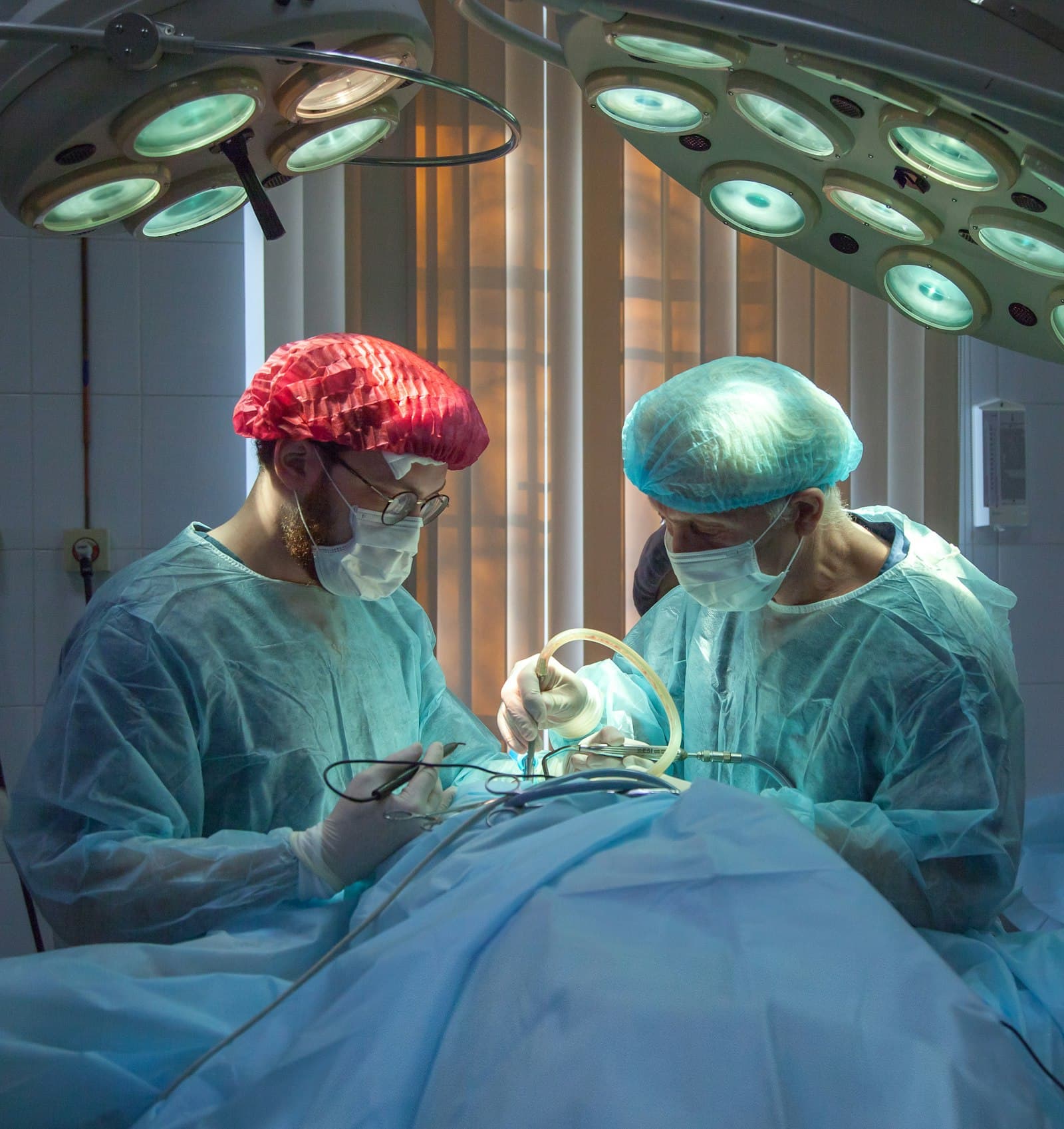
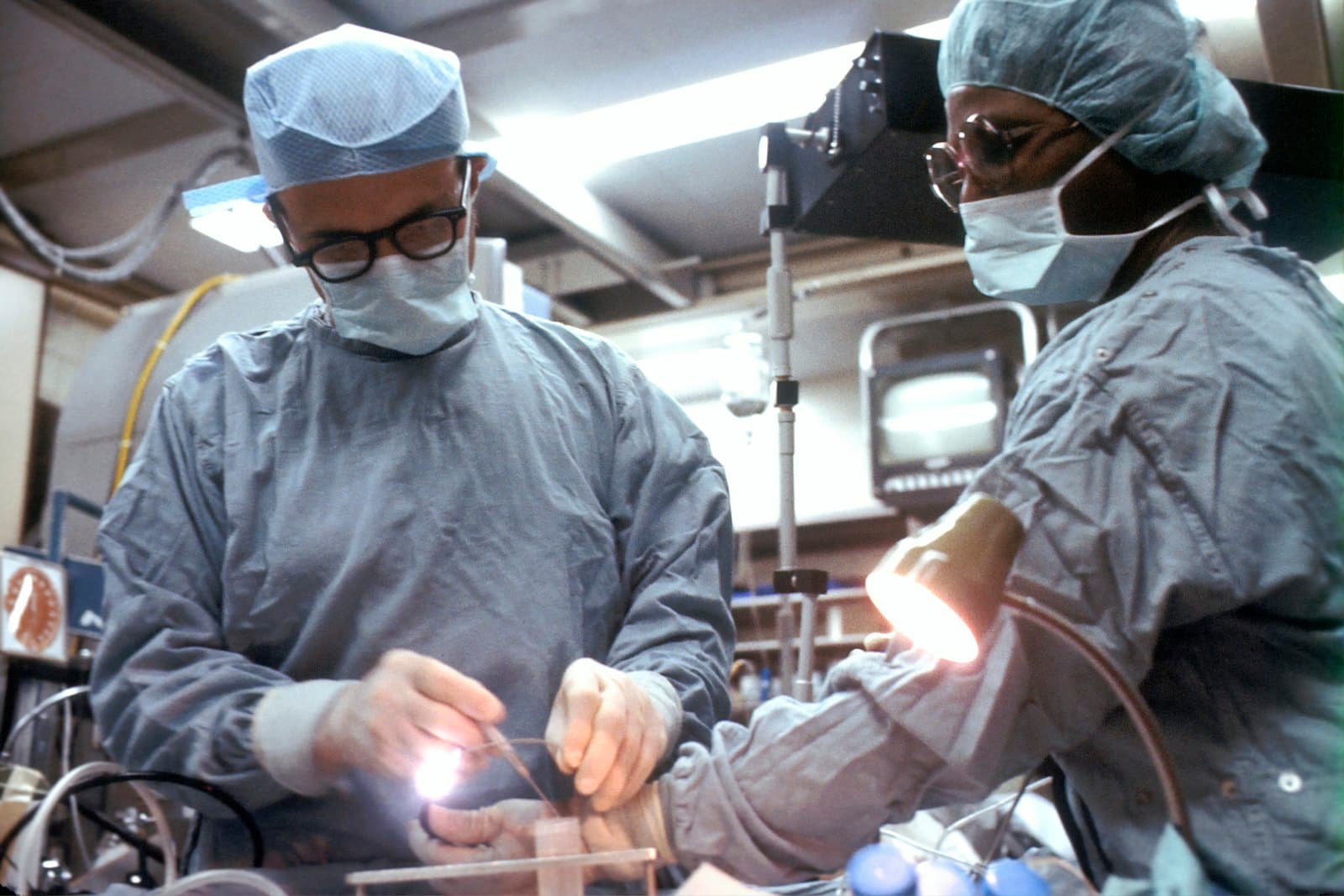
If your doctor has recommended coronary artery bypass grafting (CABG) or heart valve surgery, and you are facing a long waiting list or a six-figure self-pay bill at home, China is an option worth serious consideration. In cardiac surgery, China's leading centers perform tens of thousands of operations each year, with an experience density comparable to the best centers in the US and Europe — while the all-in self-pay cost of elective surgery is typically one-tenth to one-fifth of US quotes. The caveat is just as important: the right candidates are patients in stable condition planning elective surgery, not emergencies such as a heart attack or acute heart failure.
This guide walks through the indications, cost ranges, hospital choices, hospital-stay and recovery timelines, and the safety boundaries every international patient should respect, based on the market as of 2026.
When Bypass or Valve Surgery Is Needed
The two operations solve different problems, and their indications are well-established medical common sense:
Coronary artery bypass grafting (CABG): for severe multivessel coronary artery disease — angiography showing critical stenoses or occlusions of major vessels, especially left main or three-vessel disease, or when stenting cannot adequately address the problem. Surgeons use the patient's own saphenous vein or internal mammary artery to create bypasses around the blockages and restore blood flow to the heart muscle.
Aortic valve replacement (SAVR): for severe aortic stenosis or regurgitation causing chest tightness, breathlessness, fainting or declining heart function, where echocardiography confirms the valve disease has reached surgical thresholds.
Mitral valve repair or replacement: when severe mitral regurgitation (or stenosis) causes symptoms or enlargement of the heart. A repairable valve should be repaired rather than replaced; repair generally offers better long-term outcomes but demands more surgical skill.
Whether surgery is needed is determined by objective tests — coronary angiography and echocardiography — not symptoms alone. The specific approach must be assessed by a cardiac surgeon together with the imaging and your overall condition.
The Scale and Experience of Chinese Cardiac Surgery
The overall volume of Chinese cardiac surgery is enormous: the country performs well over a hundred thousand heart operations a year, and a single leading center handles more cases than many countries do nationwide.
Fuwai Hospital (Chinese Academy of Medical Sciences) is the prime example. It has ranked first in cardiovascular specialties in the Fudan edition of China's hospital ranking for years running, is widely described as one of the largest cardiovascular centers in the world, and its publicly reported annual surgical volume runs into the tens of thousands. The cardiac surgery departments of Zhongshan Hospital in Shanghai, Ruijin Hospital, the PLA General Hospital (301) and West China Hospital are likewise mature centers for valve and major cardiac surgery.
For international patients this means two things: first, surgeon experience is assured — these operations are routine in such centers; second, perioperative support (ICU, cardiopulmonary bypass, cardiology back-up) is systemic rather than dependent on any one individual. We profile these centers in our overview of China's top cardiovascular and thoracic surgeons.
Cost Comparison: China vs the United States
Below are self-pay price ranges verifiable from public sources (hospital stay included; flights and accommodation excluded):
| Procedure | China (self-pay, incl. hospital stay) | United States (self-pay, incl. hospital stay) |
|---|---|---|
| Coronary bypass (CABG) | Approx. ¥85,000–180,000 (US$12,000–25,000) | Approx. US$89,000–120,000+, with some quotes higher |
| Aortic valve replacement (SAVR) | Approx. ¥60,000–150,000 (US$8,500–21,000), depending on valve type and number | Approx. US$70,000–200,000+ |
| Mitral valve repair/replacement | Approx. ¥30,000–160,000 (US$4,000–22,500), depending on complexity and concurrent procedures | Approx. US$50,000–200,000 |
A few notes:
The spread in Chinese prices comes mainly from valve type (mechanical valves cost far less than bioprosthetic ones), case complexity, whether multiple vessels or valves are treated in the same operation, and hospital tier plus length of stay. On a tight budget, domestically made devices at a public tertiary hospital are the most economical combination.
The US ranges come from public billing databases and medical-tourism platform quotes; actual out-of-pocket amounts vary enormously with insurance status.
International patients should also budget for pre-operative testing, interpretation and companion accommodation, generally a few thousand dollars.
All figures are range estimates; the binding number is the quotation issued by the target hospital after evaluation.
If you only want to understand the diagnostic side, start with our guide to heart screening tests: CTA and calcium score.
Why It Costs Less: Domestic Valves and Centralized Procurement
Low Chinese prices are not "discount medicine" — they are structural:
Domestic valves and devices: Chinese-made mechanical valves, bioprostheses and transcatheter valves are on the market at scale, priced well below imported equivalents and dominating the domestic market.
Volume-based procurement of high-value consumables: the first national procurement round for coronary stents in 2020 cut average stent prices from about ¥13,000 to roughly ¥700; in 2025, TAVR valves and occluders were included in national pooled procurement for the first time, and surgical valve prices are also being driven down.
Public-hospital pricing: surgical fees and bed charges are set under government guidance, so there is no US-style "billing premium".
For patients this means the same operation costs far less in consumables and overall at leading Chinese centers — with no discount in skill, given the case volumes involved.
Hospital Stay and Recovery Timeline
A standard post-operative cardiac surgery timeline looks like this:
Day of surgery to post-op day 1–3: in the ICU, coming off the ventilator and stabilizing circulation.
Post-op day 3–10: back on the regular ward, progressively mobilizing, repeat chest X-ray and echocardiogram, removal of drains and pacing wires.
Total hospital stay of about 1–2 weeks: uncomplicated bypass or single-valve patients usually discharge in 7–10 days; multi-valve or higher-comorbidity cases take longer.
Substantial recovery within 6–12 weeks of discharge: the breastbone takes about 6–8 weeks to heal, so no heavy lifting or driving in that window; most patients resume normal work and light-to-moderate exercise after three months.
Pace varies with age, pre-operative heart function and comorbidities.
Safety Notes: When NOT to Travel Abroad for Surgery
Please read this section carefully. International travel puts strain on the cardiovascular system, and some conditions can deteriorate sharply in flight:
Unstable angina, acute myocardial infarction, decompensated acute heart failure and serious arrhythmias are emergencies unsuitable for any international journey. The right response is emergency care locally, first, to stabilize the condition.
The profile of a suitable candidate for coming to China is clear:
Condition is stable and surgery is an elective plan (a surgeon has already recommended it, but there is room to schedule weeks or months ahead);
Pre-operative workup is complete and can be reviewed remotely;
The patient can tolerate an 8–12 hour economy flight (or can book business class / a medical escort).
If you have had a heart attack, worsening heart failure or fainting within the past month, complete treatment and evaluation locally first, then discuss elective cross-border arrangements.
What to Prepare Before Arrival
International patients should complete a remote "document review" before flying, so that no one discovers on arrival that the surgical plan does not hold:
Coronary angiography on disc or DICOM files (essential for bypass candidates);
A full echocardiography report, ideally with measurements and images;
Chest CT (to assess the valve annulus and chest cavity for valve surgery);
Recent labs (blood count, coagulation, liver and kidney function, cardiac markers) and a medication list;
A summary of cardiac history, previous operations and comorbidities.
Chinese cardiac surgeons will confirm after review whether the diagnosis holds, what operation they recommend, what additional tests are needed, and an estimated cost range. With this done in advance, surgery can usually proceed within a week of arrival.
When Can You Fly Home?
The timing of your return flight must follow your treating team's discharge advice — there is no universal answer. General principles:
After bypass or open-chest valve surgery, flying is generally appropriate from a few days to two weeks after discharge, once pneumothorax and significant pericardial effusion have been excluded;
Avoid lifting luggage heavier than roughly 5–9 kg while the breastbone heals;
On long flights, move your legs and stay hydrated to reduce thrombosis risk;
A medical escort or an upgraded seat can be arranged if needed.
We recommend asking your doctor for an English-language fitness-to-fly note and medication list before discharge, for the airline and your doctor at home.
The Pathway for International Patients
The actual process is simpler than most people expect:
Remote evaluation: submit your angiography and echo records; the target hospital's cardiac surgery team, coordinated by us, reviews them and confirms the surgical plan and cost range.
Visa arrangements: note that China's 240-hour visa-free transit policy applies to around 55 nationalities and does not cover medical treatment — planned surgery requires the appropriate medical/visit visa. Our team can supply supporting documents such as the hospital invitation letter.
Arrival and pre-operative testing: the hospital repeats its own angiography/echo review after admission (usually 2–3 days), then schedules surgery.
Surgery and recovery: hospital stay, monitoring and rehabilitation follow the timeline above, with medical interpreters available throughout.
Discharge and follow-up: you receive an English discharge summary and medication plan, with follow-up handed back to your doctor at home.
Further Reading
If you may be suitable for a catheter-based option instead of open surgery, see our guide to TAVR and minimally invasive heart surgery in China.
How to Get Started
MyMedVia helps international patients coming to China for treatment with hospital coordination, records translation and remote-evaluation logistics, visa and travel assistance, full medical interpreting and transparent cost quotes. If you have angiography or echocardiography reports and want to know first whether your case is suitable for surgery in China and roughly what it would cost, the best first step is to send us your records for a free preliminary assessment.
Contact us — we usually reply within one business day.
This article is general information and does not constitute medical advice. Please follow the in-person advice of your physician for any specific treatment decision.